
Helping Women Navigate Hair Loss During Weight Loss Treatment

At Medi Tresse, we have seen a significant rise in women experiencing hair changes while taking GLP-1 medications. Dr. Mary Wendel, MD, and our team of board-certified specialists understand that starting a weight loss journey takes courage, and unexpected hair loss can feel discouraging. We're here to help you understand what's happening and create a plan to protect and restore your hair while you continue your health journey.

Office media
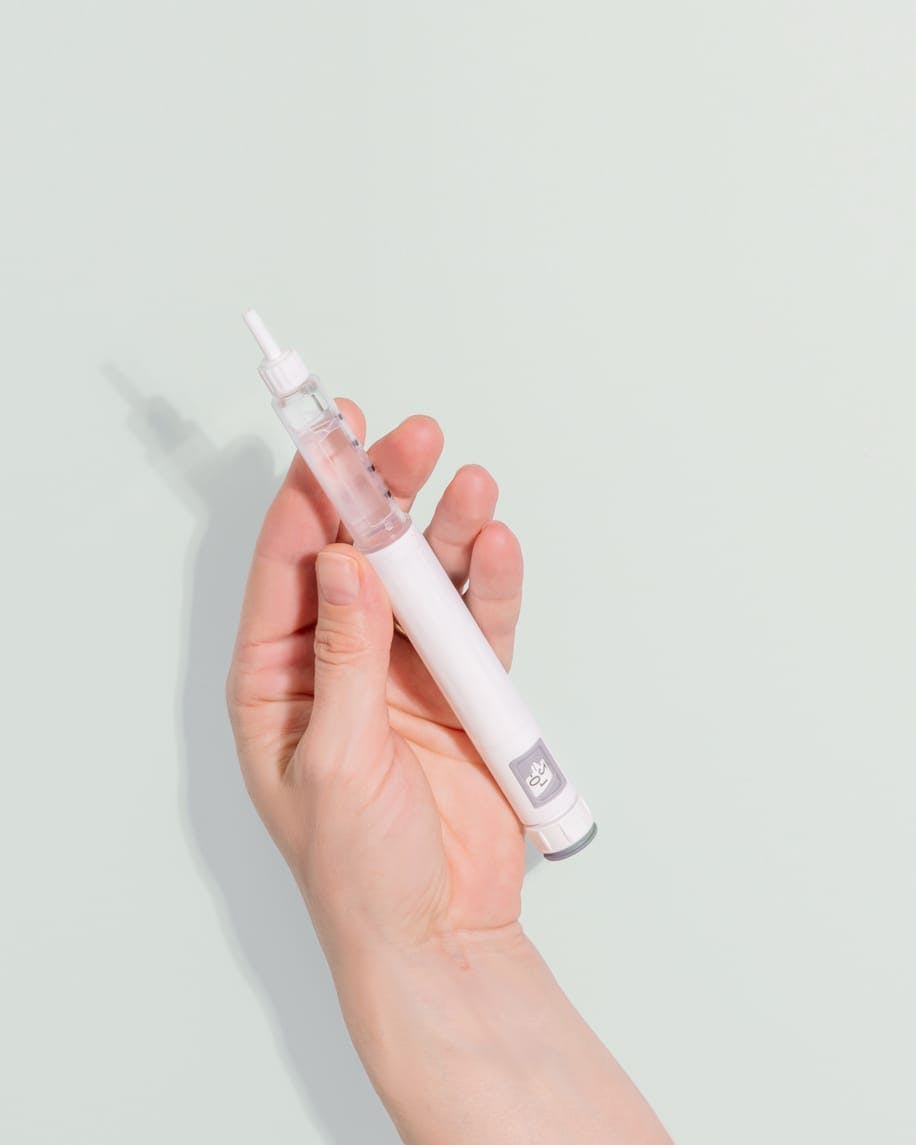
hand holding a GLP-1

What Is GLP-1 Related Hair Loss?

GLP-1 receptor agonists, including semaglutide (Ozempic, Wegovy) and tirzepatide (Mounjaro, Zepbound), have become widely used for weight management and diabetes treatment. While these medications offer significant health benefits, hair loss has emerged as a reported side effect in many patients.

The primary cause of hair shedding during GLP-1 treatment is telogen effluvium. This occurs when the body experiences stress, such as rapid weight loss, and pushes a larger percentage of hair follicles into the resting phase prematurely. Several months later, those hairs shed simultaneously, resulting in noticeable thinning.

Contributing factors may include:

  • Rapid or significant weight loss
  • Nutritional deficiencies in protein, iron, zinc, biotin, or vitamin D
  • Reduced caloric intake affecting hair follicle nourishment
  • Metabolic stress on the body

Most patients notice increased shedding approximately three to six months after beginning GLP-1 therapy, which aligns with the natural hair growth cycle. Initiating treatment for hair loss early in the weight loss journey, when possible, may help support healthier hair growth.

Are You Experiencing GLP-1-Related Hair Loss?

Women taking GLP-1 medications may be experiencing this type of hair loss if they notice diffuse thinning across the scalp rather than in one specific area, more hair than usual in their brush, shower drain, or on their pillow, a thinner ponytail or less hair density overall, and shedding that began a few months after starting medication or experiencing significant weight loss.

Because hair loss can have multiple underlying causes, a proper evaluation is essential. Some women may have pre-existing conditions like androgenic alopecia or thyroid imbalances that become more apparent during weight loss.

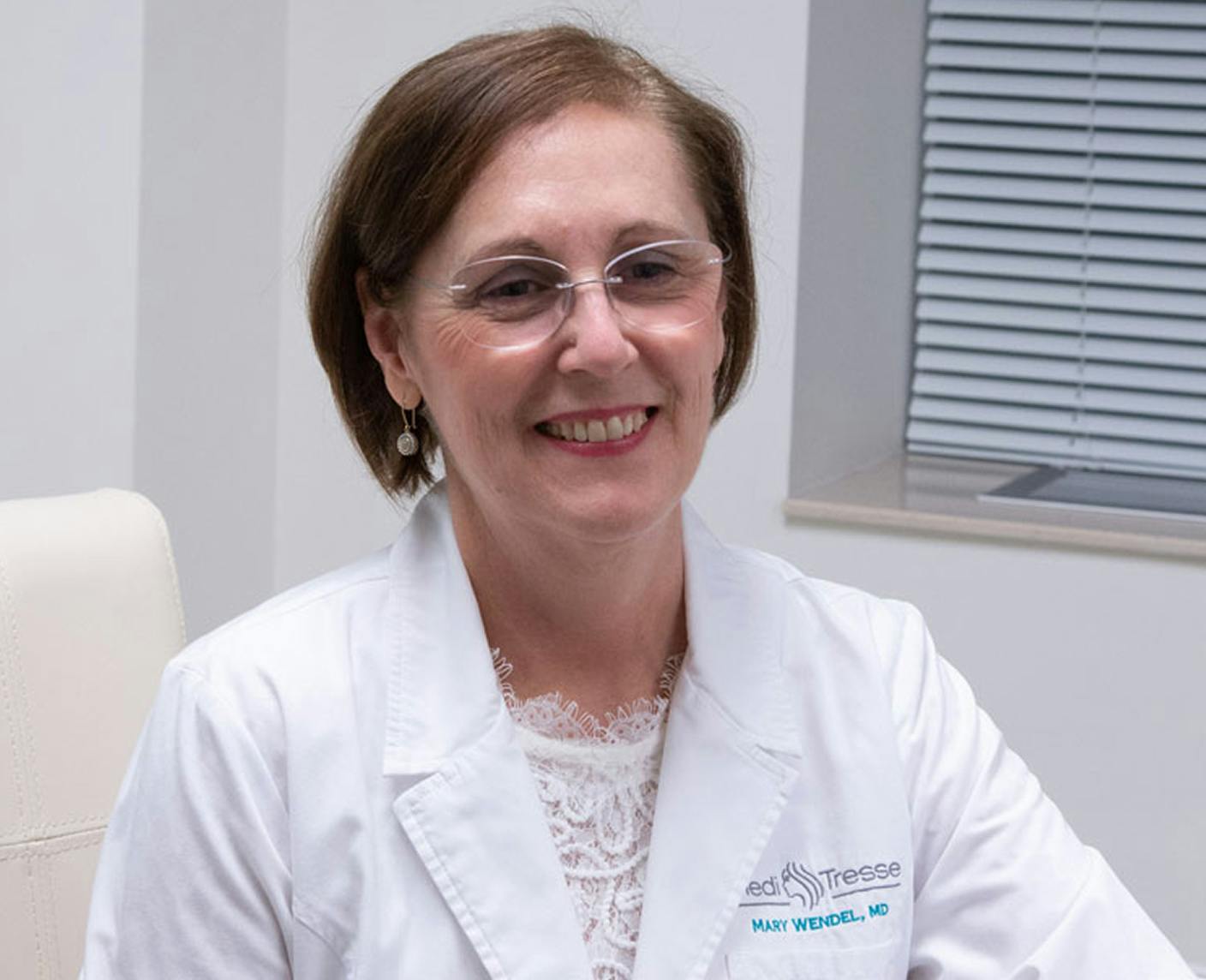
Mary Wendel

Why Choose Medi Tresse for GLP-1-Related Hair Loss Treatment?

Rather than guessing, we conduct a comprehensive evaluation to identify nutritional deficiencies, hormonal imbalances, and other factors contributing to your hair loss. Our providers, including Dr. Mary Wendel and Dr. Kathleen Joyce, MD, FAAD, specialize exclusively in female hair loss and understand the unique complexities women face.

With locations throughout Massachusetts and New York, our team has helped thousands of women restore their hair using clinically proven treatments tailored to each patient's needs.

Treatment Options for GLP-1-Related Hair Loss

The encouraging news is that telogen effluvium is typically temporary and treatable. Once the underlying stressor is addressed and nutrition is optimized, most women see improvement within several months. Many treatments, such as PRP and some medications, can also minimize the loss experienced with weight loss if started early in the journey. 

Medi Tresse offers a range of solutions, including nutritional optimization and targeted supplements, Platelet Rich Plasma (PRP) Therapy to stimulate follicle health, Low-Level Laser Therapy (LLLT) for at-home use, medical-grade topical treatments, and prescription medications when appropriate.

Schedule Your Consultation With Medi Tresse Today

You don't have to choose between your health goals and your hair. If you're experiencing hair loss while taking GLP-1 medications, the specialists at Medi Tresse are here to help you find answers and solutions. Contact us today to schedule your consultation. 

Banner media

Rooted in Results Let’s Get Growing

Hair loss is a symptom. We begin every journey by finding the cause, so your treatment plan isn’t just hopeful—it’s strategic, personalized, and proven to work.

Contact Our Team
Contact us media
Accessibility: If you are vision-impaired or have some other impairment covered by the Americans with Disabilities Act or a similar law, and you wish to discuss potential accommodations related to using this website, please contact our Accessibility Manager at (800) 290-4247.
Contact Us